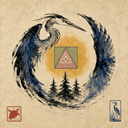
What Is Soul Cultivation?
Soul cultivation refers broadly to the intentional refinement, development, and transformation of the inner person — mind, spirit, character, and energetic life — through disciplined practice, ethical living, contemplation, and alignment with deeper principles of reality. In ancient Chinese thought (especially Daoist and Confucian traditions), cultivation isn't merely skill or knowledge; it's the ongoing work of becoming a more whole, wise, and centered human being, capable of harmony internally and with society.
The idea of cultivation — often called self-cultivation (修身, xiūshēn) — appears across multiple traditions in China, including Daoism, Confucianism, and later, religious practices associated with Longevity Arts (yangsheng 養生) and internal alchemy (neidan 內丹).
Quick Reference Links
Historical and Cultural Roots
Confucian Self-Cultivation — Ethical and Moral Being
In Confucian philosophy, cultivation is about developing virtue, moral clarity, and relational harmony. Thinkers like Confucius and later Wang Yangming emphasized that inner transformation — through reflection, right action, and social engagement — leads toward becoming a gentleman or true person. This isn't mystical power, but moral and psychological mastery that supports just leadership, community well-being, and ethical action in the world.
The Confucian path sees cultivation as practice and insight unified — not merely knowing the right thing, but actualizing it in life.
Daoist Cultivation — Harmony, Longevity, and Transformation
In Daoism, cultivation takes on both inner and outer dimensions:
Yangsheng — Nourishing Life
"Yangsheng" refers to practices aimed at health, longevity, and balancing body–mind–spirit. These practices include breathing exercises, meditation, movement (like daoyin, a precursor to qigong), diet, and mindfulness. The aim is not just longevity but a harmonized life force.
Neidan — Internal Alchemy
Neidan — internal alchemy — is a core spiritual cultivation tradition in Daoism. It combines meditation, breath work, symbolic imagery, ethical clarity, and metaphysical frameworks to refine one's "Three Treasures" (Jing – essence, Qi – life force, Shen – spirit) into a coherent, radiant, and resilient inner whole. The ultimate goal here is transformational unity with the Dao (the Way) — a state of integration rather than fragmentation.
Inner alchemy isn't about escaping life, but deeply embodying consciousness and awareness in ways that transform both subjective experience and relational presence.
Soul in Chinese Thought — Hun and Po
Traditional Chinese beliefs hold that every person has multiple aspects of the soul:
- Hun — the ethereal, yang soul associated with spirit and transcendence.
- Po — the corporeal, yin soul associated with embodiment and sensation.
Different Daoist traditions elaborate these further (sometimes as "three and seven souls"), framing cultivation as the harmonization and refinement of these soul aspects.
Cultivation Beyond China — Comparative Views
While the specific terminology varies, the idea of inner cultivation appears in many cultures:
| Tradition | Cultivation Equivalent | Core Aim |
|---|---|---|
| Indian Yoga | Yoga, Samadhi | Union of self with ultimate reality; mastery of self |
| Buddhism | Bhavana (mental development) | Liberation from suffering through insight |
| Islamic Sufism | Tazkiyah (purification) | Refining heart and self through remembrance |
| Greek Philosophy | Praxis & ethical life | Harmonizing reason with character |
Across cultures, the inner work — whether called cultivation, self-realization, or enlightenment — emphasizes integration of inner life with ethical action and relational harmony.
Modern Interpretations — From Spirituality to Psychology
Contemporary spiritual teachers often reinterpret "soul cultivation" within modern psychology or holistic frameworks — such as aligning thoughts, emotions, and body rhythms (your site's "Three Brains Model"). These models draw inspiration from ancient insight but use developmental, somatic, and relational language to make these ideas accessible today — e.g., trauma integration, flow states, and somatic awareness.
For more of my reflections on these modern interpretations, visit my blog:Visit My Blog →
This isn't traditional Daoism or Confucianism in a purist sense, but rather a synthesis of ancient wisdom with modern mind-body science — an approach that can resonate with people seeking both transformation and practical life mastery.
Summary: What Does "Soul Cultivated Person" Mean?
Across traditions, a cultivated person is someone who:
- Engages inner work deliberately — meditation, reflection, ethical integrity.
- Balances mind, body, and spirit — through disciplined practice and awareness.
- Lives with relational and social harmony — applying inner maturity outwardly (e.g., leadership, arts, community).
- Embodies wisdom and resilience — not just intelligence or skill, but depth of being.
This holistic view contrasts with purely external achievement, situating real mastery at the intersection of inner transformation and worldly engagement.
Ready to Explore Your Own Path?
Take our quiz to discover your unique soul cultivation pathway and receive personalized guidance for your journey.
Take the Quiz →